
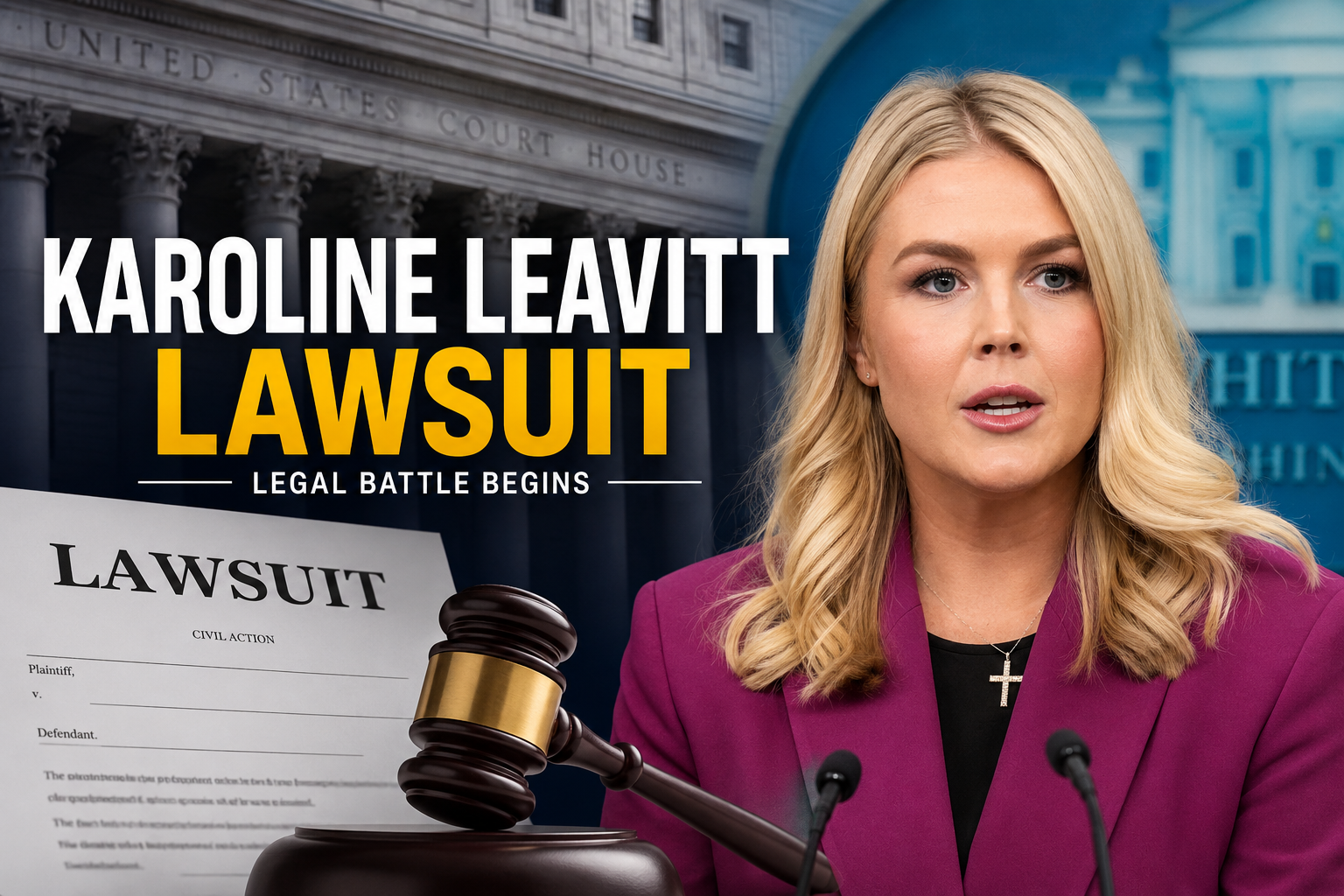
Public figures often become the subject of rumors, legal discussions, and online debates, and Karoline Leavitt is no exception. Searches for “Karoline Leavitt lawsuit” have attracted attention from people looking for answers, but online claims can sometimes spread faster than verified information. The best way to understand such topics is to separate confirmed facts from speculation, review available context, and rely on credible sources. This guide explains the background, public discussions, and what people should know before believing every headline.
Who Is Karoline Leavitt?
Karoline Leavitt is an American political figure and communications professional known for her work in government and political media.
She has gained public attention through:
- Political communications
- Media appearances
- Public statements
- Campaign involvement
- Government-related roles
Because of her public position, her actions and statements often receive significant media coverage.
Why Are People Searching for Karoline Leavitt Lawsuit?
The phrase “Karoline Leavitt lawsuit” has gained interest because people frequently search for legal issues involving well-known personalities.
There are several reasons these searches become popular:
- News discussions
- Social media posts
- Political disagreements
- Misleading headlines
- Confusion between criticism and legal action
Not every online claim represents an actual lawsuit. A legal case usually involves official filings, court records, or verified reporting.
Understanding Lawsuits Involving Public Figures
A lawsuit is a formal legal action filed in a court.
For a real lawsuit to exist, there is usually:
- A plaintiff making a claim
- A defendant responding
- Legal documents
- Court procedures
- Possible hearings or settlements
Online discussions may use words like “lawsuit” loosely, but legal matters require evidence.
Karoline Leavitt Lawsuit: What Is Known?
When discussing claims involving public figures, it is important to look at confirmed information.
A responsible review focuses on:
- Official statements
- Verified news reports
- Court records
- Reliable documentation
Without confirmed legal documents or credible reporting, claims should be treated carefully.
Many online conversations about public personalities involve disagreements, controversies, or political debates rather than actual court cases.
The Difference Between Controversy and a Legal Case
A common source of confusion is the difference between a controversy and a lawsuit.
A controversy may involve:
- Public criticism
- Media debates
- Opposing opinions
- Online discussions
A lawsuit involves:
- Legal filings
- Court involvement
- Formal claims
These two things are not the same.
A person can face public disagreement without being involved in a legal battle.
How Online Rumors Spread
The internet allows information to travel quickly.
However, speed does not always mean accuracy.
Common reasons misinformation spreads include:
Misleading Headlines
Some headlines use dramatic wording to attract attention.
Social Media Sharing
Posts can go viral before anyone verifies them.
Political Discussions
Public figures often become targets of exaggerated claims from different sides.
Lack of Primary Sources
Many stories repeat information without linking to official documents.
How to Verify Legal News Properly
Before accepting a claim about any lawsuit, check:
Court Records
Official court databases are one of the strongest sources.
Reliable News Organizations
Established journalism outlets usually verify legal claims before publishing.
Official Statements
Statements from involved parties can provide important context.
Multiple Sources
A single post or article should not be the only evidence.
Why Fact-Checking Matters
False legal claims can damage reputations and create unnecessary confusion.
Fact-checking helps readers:
- Avoid misinformation
- Understand the real situation
- Make informed opinions
- Separate facts from rumors
Responsible reporting benefits everyone, especially when discussing public figures.
The Role of Media in Legal Stories
Media coverage plays a major role in shaping public understanding.
Good reporting should:
- Explain context
- Present verified facts
- Avoid exaggeration
- Clearly separate opinions from evidence
Readers should always consider the source and the quality of information provided.
Public Figures and Legal Attention
People in public roles often experience increased attention.
This can include:
- Public criticism
- Investigations
- Political disagreements
- Media analysis
However, public attention alone does not prove wrongdoing or legal responsibility.
Every claim should be judged based on evidence.
What Readers Should Remember
When searching for information about the Karoline Leavitt lawsuit topic:
- Look for verified sources
- Avoid relying only on social media
- Check whether actual legal documents exist
- Understand the difference between allegations and confirmed facts
- Wait for reliable updates
A careful approach prevents misunderstanding.
Frequently Asked Questions (FAQs)
Is Karoline Leavitt involved in a lawsuit?
Claims about public figures should be verified through official records and reliable reporting before reaching conclusions.
Why is the term “Karoline Leavitt lawsuit” trending?
Search interest can come from online discussions, political conversations, or unverified claims circulating online.
How can I confirm if someone has a lawsuit?
Check official court records, trusted news sources, and statements from verified parties.
Are online legal claims always accurate?
No. Online information can contain mistakes, exaggerations, or false claims.
What is the difference between an accusation and a lawsuit?
An accusation is a claim, while a lawsuit is a formal legal process filed through a court.
Why do public figures receive more legal rumors?
Public figures receive more attention because their statements and activities are widely discussed.
Conclusion
The topic of the Karoline Leavitt lawsuit shows why careful research matters when reading online news. Public figures often face intense attention, and discussions can quickly become mixed with rumors or incomplete information. The most reliable approach is to focus on verified sources, official records, and confirmed facts. Understanding the difference between online claims, controversies, and actual legal proceedings helps readers stay informed and avoid misinformation.
